The Science of Wiring Harness Damage Repair in Las Vegas
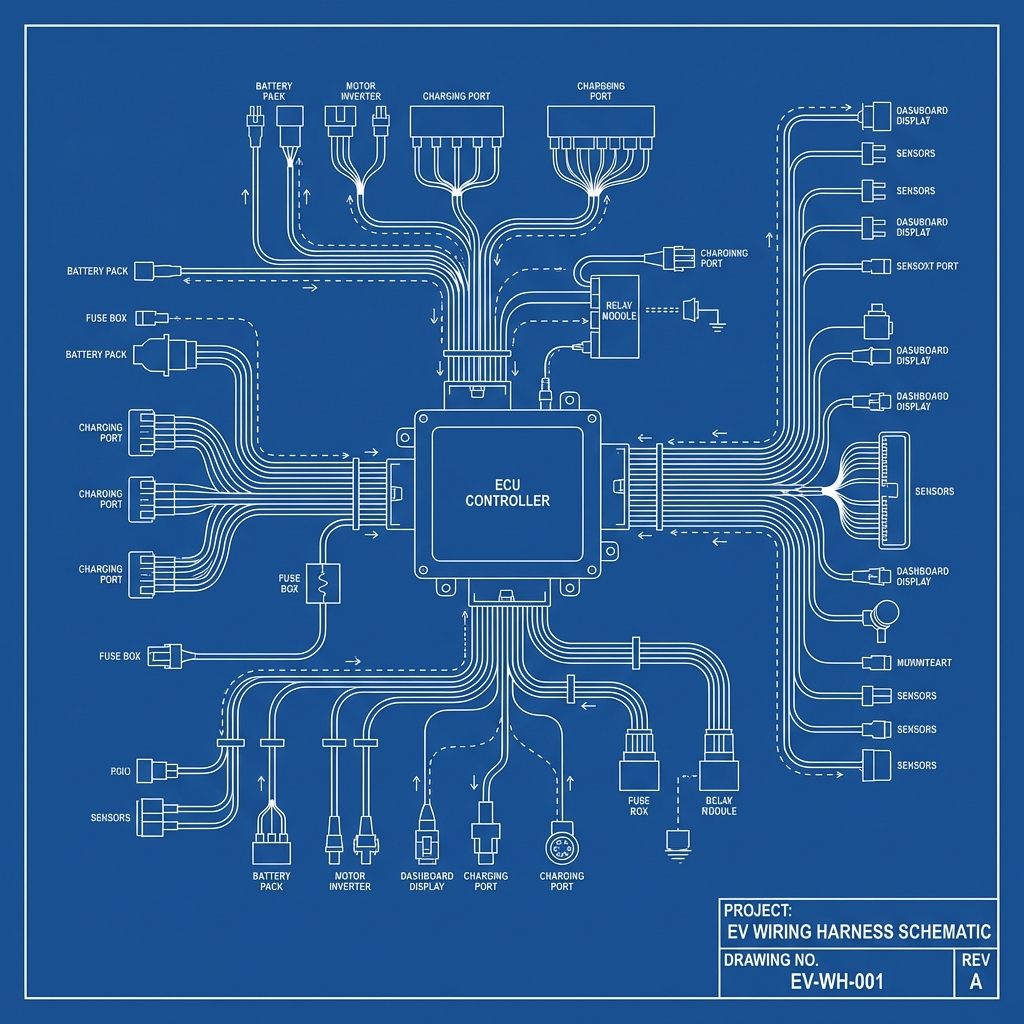
Wiring harness damage in a Ford F-150 Lightning is a serious issue, especially in Las Vegas’s extreme desert climate with temperatures hitting 104°F for much of the year. The harness acts as the nervous system of your electric vehicle, connecting critical components like the onboard charger—which converts AC power to charge your battery—and the dc-dc converter, which steps down high-voltage power for the 12-volt battery system. When wires fray or get chewed by rodents, these systems fail.
Local conditions like dusty winds near Summerlin can infiltrate undercarriages, accelerating corrosion on exposed wiring. Add in the stop-and-go traffic on the Strip, and your EV’s electrical systems face constant strain. Repairing this damage requires precision to avoid costly secondary failures.
Common Symptoms of Failure
Recognizing wiring harness issues early can save thousands in repairs. If your Ford F-150 Lightning shows warning lights on the dashboard, especially related to charging, it’s a red flag. Listen for unusual clicking sounds near the frunk, which could indicate electrical shorts.
Here are specific symptoms to watch for:
- Charging failures: The onboard charger doesn’t initialize, leaving your battery uncharged.
- Power loss to accessories: The 12-volt battery system fails, dimming lights or disabling infotainment.
- Intermittent errors: Random shutdowns or error codes on the instrument cluster.
- Burning smells: A faint odor of melting plastic near electrical components.
In Las Vegas’s heat, these symptoms worsen faster, so don’t delay inspection. A quick check can prevent being stranded on I-15.
Diagnostic Steps: DIY vs Professional
Diagnosing wiring harness damage in a Ford F-150 Lightning isn’t always a DIY-friendly task. You can start by visually inspecting under the frunk for chewed wires or rodent nests, common in desert areas like Henderson. But without specialized tools, you risk missing deeper issues.
Professionals use Ford’s IDS diagnostic system to pull error codes tied to the onboard charger or dc-dc converter. In Las Vegas, where high heat accelerates wear, a pro can test harness continuity with precision, avoiding guesswork that could cost you more.
DIY may save a few bucks upfront, but misdiagnosis can lead to thousands in damage. Trust a local expert familiar with EV harness repair under desert conditions.
OEM vs Aftermarket Parts for Ford F-150 Lightning
When repairing wiring harness damage, choosing between OEM (Original Equipment Manufacturer) and aftermarket parts is critical. OEM harnesses for the Ford F-150 Lightning ensure perfect compatibility with systems like the onboard charger, but they come at a premium. Aftermarket options are cheaper but may lack durability.
In Las Vegas, where UV exposure near Red Rock Canyon degrades materials faster, OEM parts often last longer. Investing in quality prevents repeat repairs, especially for high-voltage EV components. Check safety recalls on sites like NHTSA.gov before deciding.
Future Prevention Tips
Preventing wiring harness damage starts with proactive care. Park in garages when possible to avoid rodent infestations, a common issue in Las Vegas neighborhoods like Summerlin. Use rodent repellents under the hood if you’re near desert lots.
Regularly inspect your Ford F-150 Lightning for early signs of wear, especially after long drives on I-15. Las Vegas’s 210 sunny days mean UV damage is a real threat—consider protective wraps for exposed wiring.
Lastly, schedule annual electrical system checks with a local EV specialist. A real-world case study from Henderson shows a driver who ignored minor harness fraying after a dusty off-road trip near Red Rock Canyon, only to face a $3,200 repair when the onboard charger failed mid-commute. Don’t let small issues snowball—act early.