The Science of Main Contactor and Pyrofuse Replacement in Las Vegas
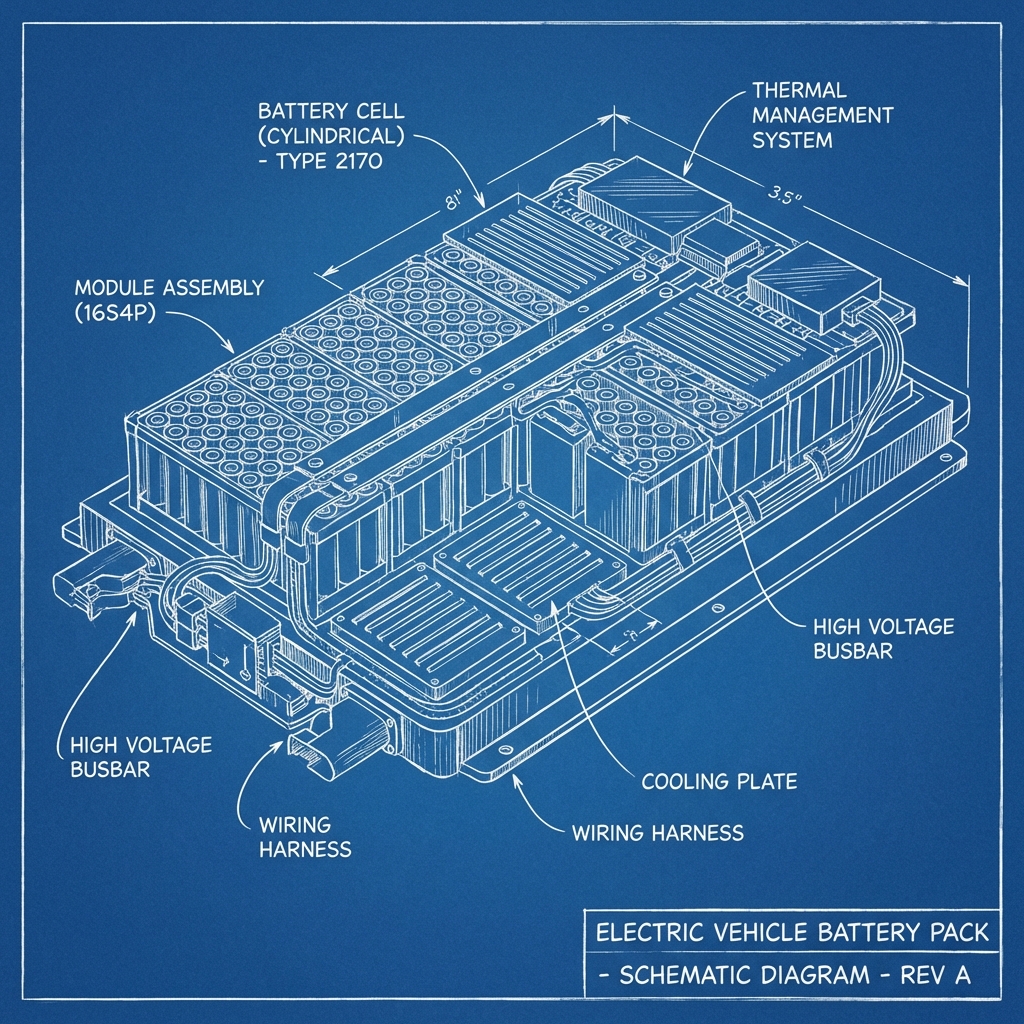
The main contactor in your Ford F-150 Lightning acts as a high-voltage switch, connecting the battery to the truck’s electric motor and other systems. When it fails, your EV won’t start, leaving you stranded—often in the worst possible place, like the busy I-15 corridor during rush hour. Las Vegas’s extreme 104°F heat adds thermal stress, accelerating wear on these components.
Similarly, the pyrofuse is a safety mechanism designed to disconnect power in emergencies, such as a collision. A faulty high-voltage contactor failure or pyrofuse can lead to dangerous electrical issues. In dusty areas near Red Rock Canyon, debris can worsen electrical connections, making timely replacement critical.
Common Symptoms of Failure
- Your Ford F-150 Lightning shows a dashboard error message like ‘High Voltage System Fault’ or refuses to power on.
- You hear a clicking noise near the battery compartment when attempting to start, indicating a failing main contactor.
- The truck experiences intermittent power loss, especially during acceleration on highways like US-95.
- A burning smell or visible sparks near the high-voltage system suggest pyrofuse issues, requiring immediate attention.
Diagnostic Steps: DIY vs Professional
Diagnosing a main contactor or pyrofuse issue at home is risky due to the high-voltage nature of the Ford F-150 Lightning. Using a basic OBD-II scanner might reveal a high-voltage system error, but it won’t pinpoint the root cause. In Las Vegas’s heat, DIY attempts can lead to dangerous mistakes.
Professional diagnostics, using Ford’s specialized tools, are the safer choice. Technicians in areas like Summerlin can perform voltage isolation tests to confirm component failure. This ensures accurate repairs without risking personal injury—especially critical given safety concerns noted by NHTSA.
Local Case Study: A Henderson Driver’s Experience
Consider a recent case in Henderson, where a Ford F-150 Lightning owner experienced repeated power failures while commuting on the 215 Beltway. The main contactor failure was traced back to thermal stress from Las Vegas’s 210 sunny days per year. Our team replaced the component, preventing a $3,000 battery pack repair.
This driver’s story highlights how local conditions, from intense heat to stop-and-go traffic near the Strip, can accelerate wear on high-voltage systems. Acting early saved them from being stranded in the desert outskirts.
OEM vs Aftermarket Parts for Ford F-150 Lightning
When replacing a main contactor or pyrofuse, choosing Ford’s original equipment manufacturer (OEM) parts ensures compatibility and reliability. Aftermarket options might save a few hundred dollars upfront but often fail under Las Vegas’s harsh conditions. OEM parts are tested for the F-150 Lightning’s specific high-voltage demands.
In neighborhoods like Spring Valley, where long drives in extreme heat are common, cutting corners with aftermarket components can lead to repeat failures. Stick with OEM for peace of mind, as recommended by Ford’s official support.
Future Prevention Tips
Preventing main contactor and pyrofuse issues starts with regular maintenance tailored to Las Vegas’s climate. Schedule annual high-voltage system inspections to catch wear early, especially if you frequently drive near the heat-soaked asphalt of the Strip. Early detection can save thousands in repairs.
Avoid overloading your Ford F-150 Lightning with excessive towing in 104°F weather, as seen on routes to Mount Charleston. Overloading strains the electrical system, increasing failure risk. Also, park in shaded areas when possible to reduce thermal stress on components.
Finally, monitor your dashboard for any warning lights or unusual sounds during start-up. If you commute through dusty areas like near Red Rock Canyon, consider more frequent checks for debris buildup around electrical connections. Staying proactive keeps your electric truck reliable in Nevada’s toughest conditions.