The Science of Battery Cell Module Repair in Las Vegas
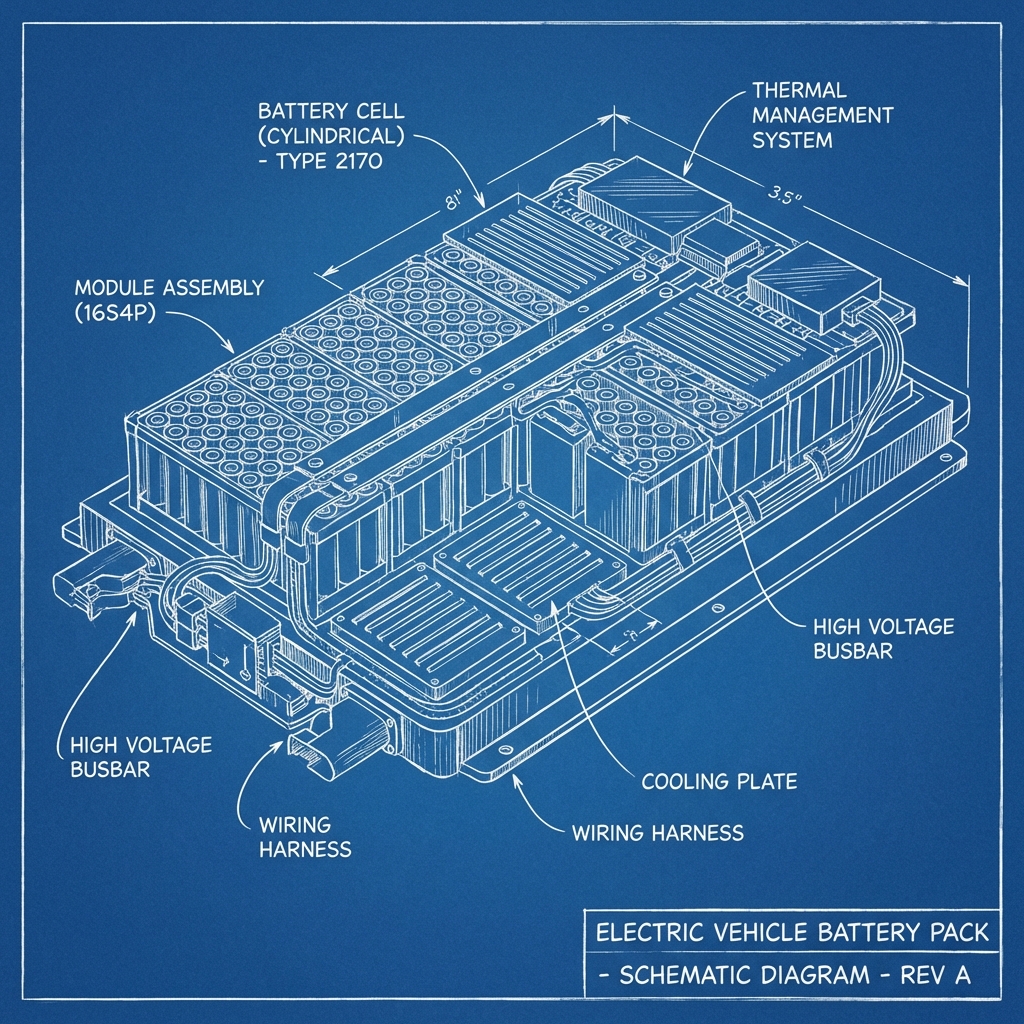
The Ford F-150 Lightning relies on a complex high-voltage battery pack made up of individual cell modules to power its electric drivetrain. When one module fails, it can disrupt the entire system, leading to reduced range or complete power loss. In Las Vegas, with 210 sunny days and extreme heat reaching 104°F, these modules face accelerated wear, especially during long drives on I-15.
Repairing a battery cell module involves isolating the defective unit and replacing it without compromising the Battery Management System (BMS). This is a delicate process requiring specialized tools, as mishandling can cause thermal runaway, a dangerous overheating condition. For Vegas drivers, this repair is critical to avoid breakdowns near busy areas like the Strip.
Common Symptoms of Failure
Recognizing the signs of a failing battery cell module can save you from costly repairs. Here are key symptoms to watch for in your Ford F-150 Lightning:
- Warning Lights: Dashboard alerts like “Check Battery System” or a sudden drop in range indicator.
- Unusual Sounds: Hissing or popping noises from the battery pack area, often signaling internal faults.
- Power Fluctuations: Inconsistent acceleration, especially noticeable in stop-and-go traffic near Henderson.
- Overheating Alerts: Notifications about battery temperature, common after long drives in Summerlin’s heat.
If you notice these issues while navigating Las Vegas roads, don’t delay. Early intervention prevents total system failure and keeps you safe.
Diagnostic Steps: DIY vs Professional
Diagnosing a battery cell module issue in your Ford F-150 Lightning starts with checking for error codes using an OBD-II scanner. DIY enthusiasts can spot basic alerts, but interpreting Battery Energy Control Module (BECM) data requires expertise. Mishandling high-voltage systems also poses safety risks.
Professional diagnostics, especially in Las Vegas, involve advanced tools to test cell voltage balance and thermal performance. Given the extreme desert heat, local technicians also inspect for coolant degradation. Trusting a pro ensures accuracy and safety—don’t risk a DIY mistake on I-15.
OEM vs Aftermarket Parts for Ford F-150 Lightning
When replacing a battery cell module, choosing OEM (Original Equipment Manufacturer) parts for your Ford F-150 Lightning ensures compatibility with the Battery Management System. Aftermarket options may be cheaper but often lack the durability needed for Las Vegas’s harsh climate. OEM parts also maintain warranty coverage.
A local case study near Red Rock Canyon highlights this: a Vegas driver opted for aftermarket modules and faced repeated failures within six months due to thermal stress. Investing in OEM parts, though pricier upfront, saves on long-term repair costs. Check Ford’s official support at ford.com/support for certified options.
Future Prevention Tips
Preventing battery cell module issues starts with regular system checks, especially before long drives through areas like Spring Valley. Schedule annual inspections to monitor cell health and coolant levels. Las Vegas heat demands proactive care to avoid strain.
Also, avoid frequent fast charging in extreme 104°F weather, as it stresses the battery pack. Park in shaded areas when possible, especially near tourist-heavy zones like the Strip, to reduce thermal exposure. Finally, stay updated on recalls via nhtsa.gov to address safety risks early.