The Science of Battery Cell Module Repair in Las Vegas
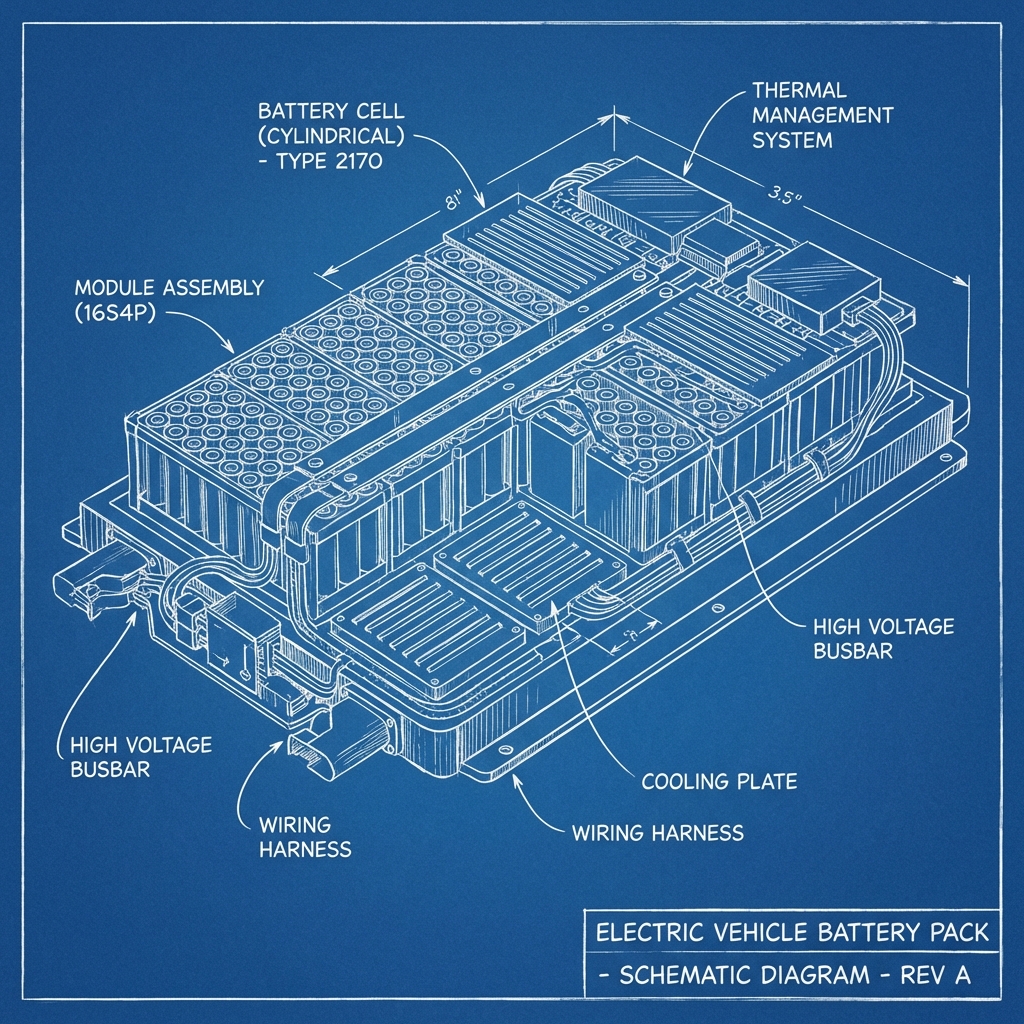
The battery pack in your Tesla Model Y is the heart of the vehicle, composed of thousands of individual cells grouped into modules. When a single cell fails, it can disrupt the entire system, reducing range and risking further damage. In Las Vegas’s extreme 104°F heat, this degradation happens faster, making timely repair critical.
Repairing a battery cell module involves isolating the defective unit and replacing it without compromising the pack’s balance. Our technicians use advanced diagnostic tools to pinpoint issues within the Battery Management System (BMS). This precision prevents costly full-pack replacements.
Las Vegas drivers in neighborhoods like Summerlin face unique challenges with stop-and-go traffic on I-15, which stresses the battery through frequent acceleration. Heat and driving patterns combine to accelerate wear. Addressing Defective Cell Replacement early can save thousands in repairs.
Common Symptoms of Failure
Recognizing a failing battery cell module can prevent major issues. Here are key signs to watch for in your Tesla Model Y. These symptoms often worsen in Las Vegas’s harsh climate.
- Sudden range reduction on your dashboard display, even after a full charge.
- Warning messages like “Power Reduced” appearing on your touchscreen.
- Unusual humming or buzzing sounds from the battery pack area during charging.
- Erratic charging behavior, such as slow charging or failure to reach 100%.
If you notice these, don’t delay. A failing module can strain the onboard charger, which converts AC power for the battery, leading to bigger failures. Schedule a diagnostic to avoid being stranded.
Diagnostic Steps: DIY vs Professional
Some Tesla owners attempt DIY diagnostics using apps to read error codes. While this can identify basic issues, it lacks the depth of professional Tesla-specific tools. Misdiagnosis risks further damage.
Professional diagnostics involve connecting to the Battery Management System to analyze cell voltage and temperature data. In Las Vegas, our team uses climate-controlled bays to ensure accurate readings despite 104°F external heat.
DIY fixes are dangerous due to the high-voltage nature of Tesla battery packs. A single mistake can lead to shocks or fires, risks documented by NHTSA safety guidelines. Trust certified technicians for safe repairs.
OEM vs Aftermarket Parts for Tesla Model Y
Choosing between OEM (Original Equipment Manufacturer) and aftermarket parts for EV Battery Module Repair is critical. OEM parts from Tesla ensure compatibility with your Model Y’s unique architecture. They often come with warranties but at a higher cost.
Aftermarket options may be cheaper, but they risk poor integration with the Battery Management System. This can lead to reduced performance or safety issues. We recommend checking Tesla’s official support page for approved parts.
In Las Vegas, where extreme heat tests every component, we prioritize OEM for reliability. A failed aftermarket module could cost more in the long run with secondary damages. Our team advises on the best option for your budget.
Future Prevention Tips
Preventing battery cell module issues starts with mindful driving and maintenance. Avoid frequent deep discharges by keeping your Tesla Model Y charged between 20-80%. This reduces stress on individual cells.
In Las Vegas, park in shaded areas or garages to minimize heat exposure during the 210 sunny days annually. Extreme temperatures degrade battery health over time. A simple cover can make a difference.
Schedule regular battery health checks, especially if you drive through Henderson’s hilly terrain. Early detection of cell imbalances can prevent major repairs. Our team offers tailored maintenance plans for local conditions.
Finally, ensure your onboard charger and dc-dc converter—which powers the 12-volt battery for accessories—are functioning. These systems indirectly impact module health. A quick diagnostic can save future headaches.