The Science of Air Suspension Compressor Burnout in Las Vegas
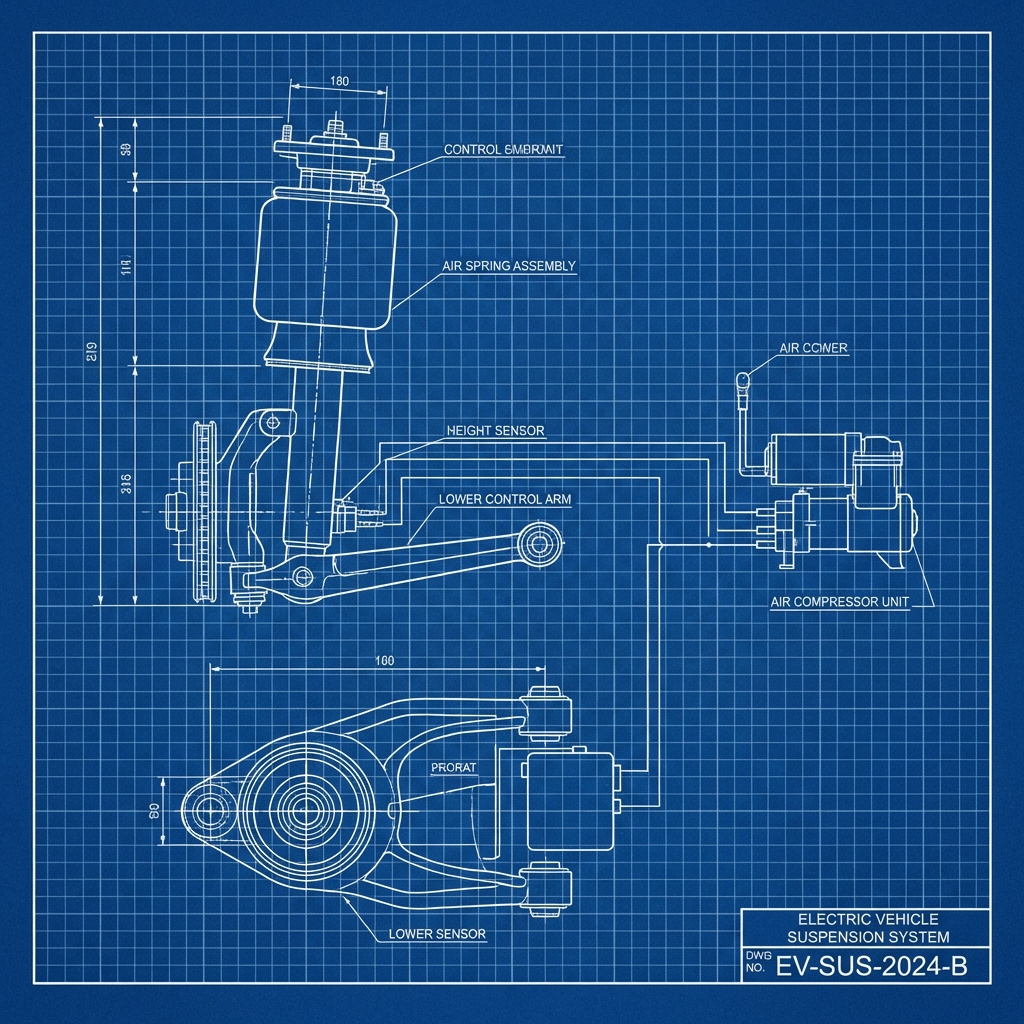
The air suspension compressor in your Tesla Model X is the heart of the vehicle’s adaptive suspension system, responsible for maintaining ride height and comfort. In Las Vegas’s extreme 104°F heat, this component works overtime to adjust to uneven roads and high temperatures, often leading to air suspension compressor burnout. Constant exposure to 210 sunny days a year accelerates wear on internal seals and electrical connections.
Why does this matter? A burned-out compressor can’t pressurize the air struts, causing your Tesla to sag or handle poorly on roads like the I-15 corridor. This isn’t just a comfort issue—it’s a safety risk that demands immediate attention.
The combination of heat and stop-and-go traffic in neighborhoods like Summerlin creates a perfect storm for failure. Components overheat, and dust from desert winds can infiltrate the system, clogging critical parts. Addressing compressor replacement early can save you thousands in downstream repairs.
Common Symptoms of Failure
Recognizing the signs of air suspension compressor burnout can prevent major issues. If your Tesla Model X exhibits any of these symptoms, don’t delay a diagnostic check for air suspension pump failure.
- A noticeable sagging in the vehicle’s stance, especially after parking overnight.
- Unusual hissing noises near the rear axle, indicating air leaks or compressor strain.
- Dashboard error messages related to suspension height or ride control system faults.
- A harsh, bumpy ride even on smooth Las Vegas roads, signaling the compressor isn’t maintaining pressure.
These symptoms often worsen in extreme Nevada heat, as the compressor struggles to keep up. Ignoring them risks complete failure and safety hazards on busy highways.
Diagnostic Steps: DIY vs Professional
Diagnosing air suspension issues in a Tesla Model X requires precision. While DIY enthusiasts might check for visible sagging or listen for hissing sounds, the complexity of Tesla’s systems often demands professional tools.
Professionals in Las Vegas use specialized diagnostic scanners to read error codes from the suspension control module. This pinpoint accuracy saves time compared to guesswork, avoiding unnecessary costs on compressor replacement.
DIY attempts can miss underlying issues like electrical faults in the compressor wiring harness. For safety, consult experts, especially given risks noted on platforms like NHTSA.gov regarding suspension failures.
OEM vs Aftermarket Parts for Tesla Model X
When replacing an air suspension compressor, choosing between OEM (original equipment manufacturer) and aftermarket parts is critical. OEM parts ensure compatibility with Tesla Model X’s unique suspension software, but they often cost more.
Aftermarket options can save on upfront costs for compressor replacement, yet quality varies. Poorly made parts may fail sooner in Las Vegas’s harsh climate, leading to repeat repairs.
We recommend consulting Tesla’s official support at Tesla.com/support for part recommendations. Balancing cost and reliability is key for long-term performance.
Future Prevention Tips
Preventing air suspension compressor burnout starts with routine care. Avoid overloading your Tesla Model X, as excess weight strains the air suspension pump beyond its limits.
Schedule annual inspections, especially before summer when Las Vegas heat peaks at 104°F. Early detection of leaks or wear can prevent a full compressor replacement.
Finally, park in shaded areas when possible to reduce heat stress on components. Small habits can extend the life of your Tesla Model X suspension system, saving you from costly repairs down the road.