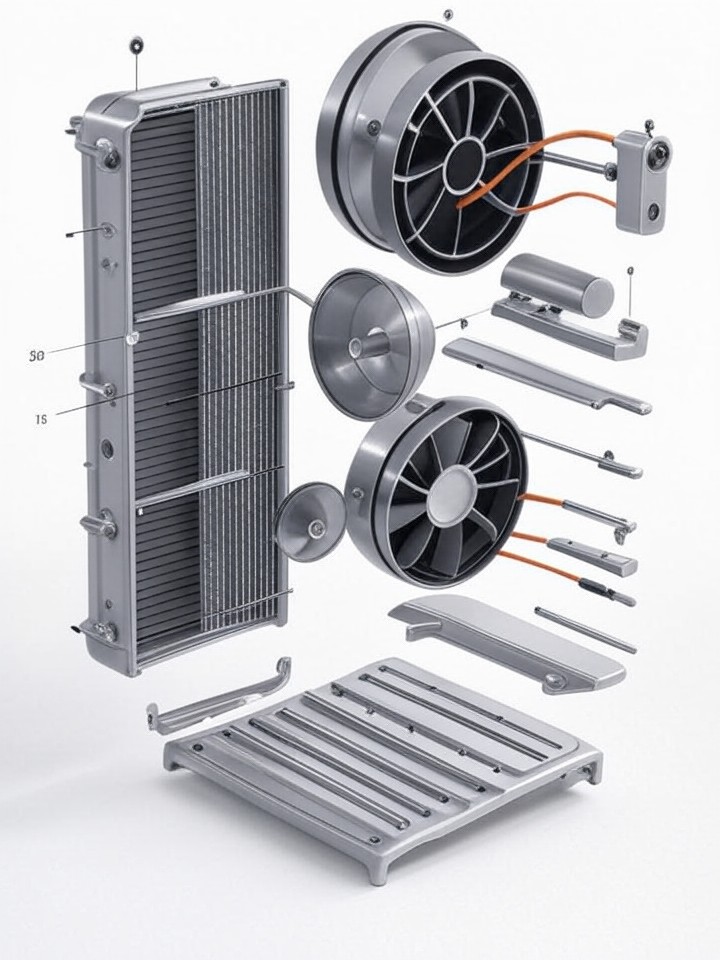
The Science of Radiator and Condenser Fan Failure in Los Angeles
The radiator and condenser fans in your Tesla Model S are vital for managing the heat generated by the electric motor and battery pack. In Los Angeles’ scorching 90°F weather, with 284 sunny days annually, these fans work overtime to prevent overheating. Failure means your vehicle can’t regulate temperature, risking severe damage.
Unlike traditional cars, the Tesla Model S relies on an advanced thermal management system to cool both the battery and power electronics. When fans fail, especially in stop-and-go traffic on the 405 Freeway, heat builds up fast. This can degrade performance or trigger emergency shutdowns.
Dust and debris from LA’s urban environment, particularly in areas like Downtown LA, can clog fan assemblies, reducing airflow. Over time, this strain causes fan motor burnout or electrical faults. Regular inspection is crucial to avoid these issues.
Common Symptoms of Failure
Recognizing radiator and condenser fan failure early can save you thousands in repairs. Here are the key signs to watch for in your Tesla Model S, especially under LA’s intense heat.
- Loud EV fan noise coming from the front of the vehicle, indicating a struggling or unbalanced fan motor.
- Overheating warnings on the dashboard, often accompanied by reduced power output.
- Air conditioning failure, as the condenser fan can’t cool the refrigerant properly.
- Unusual humming or grinding sounds when the cooling system activates, signaling mechanical issues.
- Thermal shutdown alerts on the touchscreen, a critical sign of fan failure impacting battery cooling.
If you notice these symptoms while driving in Santa Monica or beyond, don’t delay a diagnostic. Ignoring them risks costly battery damage.
Diagnostic Steps: DIY vs Professional
Diagnosing fan failure in a Tesla Model S requires precision, but some steps can be done at home. Start by listening for loud EV fan noise or checking for dashboard alerts. These are early clues of a problem.
For DIY enthusiasts, a Tesla-compatible OBD-II scanner can pull error codes related to the thermal management system. However, interpreting these codes without training can lead to misdiagnosis. Proceed with caution.
Professional diagnostics are recommended for accuracy, especially given LA’s high labor rates of $180–$240/hr. Technicians use specialized tools to test fan motors and inspect the cooling module assembly. This ensures no secondary issues are missed.
Attempting repairs without expertise can worsen the issue, potentially voiding warranties. For safety, consult a certified shop if you’re unsure about radiator fan replacement.
OEM vs Aftermarket Parts for Tesla Model S
When replacing a failed radiator or condenser fan, choosing between OEM (Original Equipment Manufacturer) and aftermarket parts is critical. OEM parts are designed specifically for the Tesla Model S, ensuring compatibility with the thermal management system. They often come with a higher price tag but guarantee reliability.
Aftermarket parts may be cheaper, but they risk poor fitment or reduced lifespan, especially under LA’s harsh climate. A substandard fan could fail prematurely, costing more in repeat repairs. Always verify the part’s compatibility with your vehicle’s firmware.
Safety is another concern—subpar components can contribute to overheating, a known risk for electric vehicles. Refer to official guidelines on NHTSA.gov for safety standards when selecting parts. Investing in quality now prevents future headaches.
Future Prevention Tips
Preventing radiator and condenser fan failure starts with regular maintenance tailored to Los Angeles’ unique conditions. Schedule cooling system inspections every 12 months to catch issues early. This is especially important given the city’s high temperatures.
Keep the front grille clear of debris, a common issue in dusty areas like West Hollywood. A blocked grille restricts airflow, overworking the fans. A quick visual check monthly can make a difference.
Monitor your Tesla Model S for software updates via the Tesla app, as they often include optimizations for the thermal management system. Updated firmware can improve fan efficiency. Don’t skip these updates.
Finally, avoid prolonged idling in hot weather, as it strains the cooling system without airflow. For more maintenance advice, check Tesla’s official support at Tesla.com. Proactive care keeps your vehicle running smoothly in LA’s challenging environment.