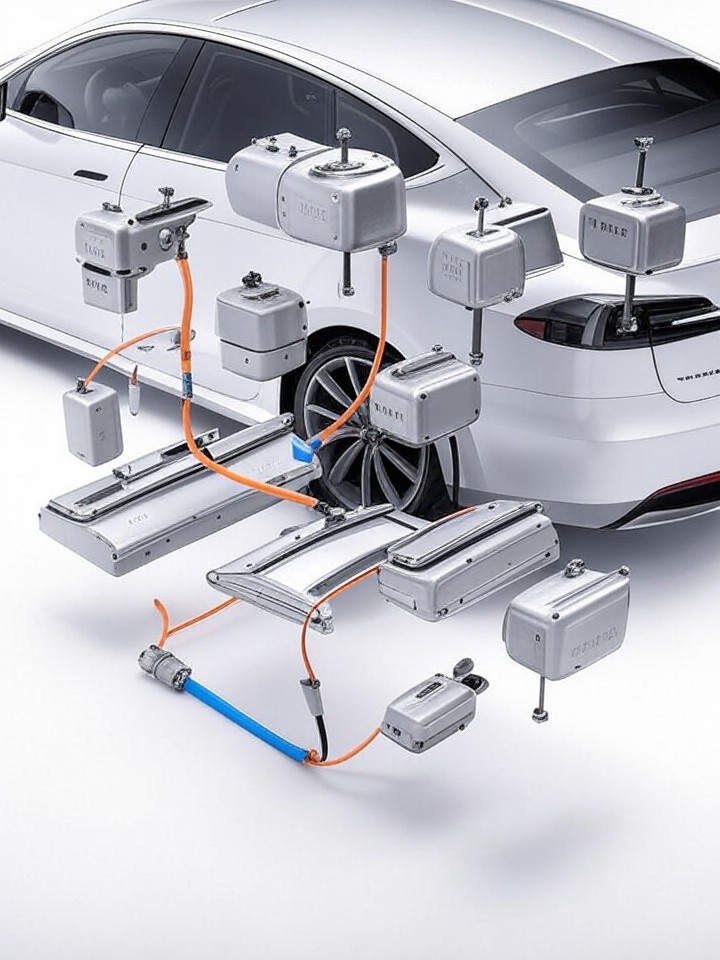
The Science of Electronic Parking Brake Seizure in Los Angeles
The Electronic Parking Brake (EPB) in a Tesla Model S is a sophisticated system that uses an electric actuator to engage the rear calipers, securing the vehicle when parked. In Los Angeles’ hot, dry climate with 90°F average highs and 284 sunny days, components face constant thermal stress, accelerating wear on seals and lubricants. This can lead to EPB seizure, where the caliper fails to release or engage properly.
Local driving conditions, like frequent stops on the 405 Freeway or parking on steep hills in Silver Lake, exacerbate the issue by overworking the system. Dust and debris from urban roads can also infiltrate the mechanism, causing corrosion or binding. Understanding these factors is key to addressing the problem early.
Common Symptoms of Failure
Recognizing the signs of an Electronic Parking Brake Seizure can save you from costly repairs. If your Tesla Model S shows any of these symptoms, don’t delay in seeking a professional diagnosis.
- A warning message on the touchscreen, such as ‘Parking Brake Fault,’ indicating a system error.
- Grinding or clicking noises from the rear wheels when engaging or releasing the brake.
- The vehicle fails to hold on inclines, even with the parking brake engaged.
- Uneven braking or dragging sensation while driving, suggesting a stuck caliper.
These issues often worsen in Los Angeles traffic, where constant braking amplifies stress on the system. Addressing them promptly prevents safety risks like rollaways.
Diagnostic Steps: DIY vs Professional
Diagnosing an Electronic Parking Brake Seizure starts with checking for error codes on your Tesla Model S touchscreen. DIY enthusiasts can attempt a basic reset via the interface, but this rarely resolves mechanical seizures.
Professional diagnostics, however, use Tesla-specific tools to read detailed fault codes from the EPB actuator and test voltage from the 12-volt battery. In Los Angeles, where labor rates range from $180 to $240 per hour, this expertise ensures accuracy over guesswork.
DIY risks misdiagnosis, potentially missing underlying caliper damage. Professionals also visually inspect for corrosion or binding, which requires lifting the vehicle—something most home mechanics can’t safely do.
OEM vs Aftermarket Parts for Tesla Model S
When replacing components for an Electronic Parking Brake Seizure, choosing between OEM (Original Equipment Manufacturer) and aftermarket parts is critical. OEM parts, sourced directly from Tesla, guarantee compatibility with the Model S’s EPB system but often cost 30-50% more.
Aftermarket options may be cheaper, but they risk poor fitment or shorter lifespan, especially under Los Angeles’ harsh conditions. For safety-critical systems like brakes, we recommend OEM to avoid recurring failures.
Additionally, using OEM parts can preserve warranty coverage on your Tesla Model S. Always consult a professional to weigh cost versus reliability for your specific repair.
Future Prevention Tips
Preventing Electronic Parking Brake Seizure starts with regular maintenance of your Tesla Model S. Schedule annual inspections of the EPB system to catch early corrosion or wear, especially in dusty LA areas like Santa Monica.
Avoid prolonged parking on steep inclines when possible, as this strains the actuator. If unavoidable, manually engage the brake sparingly to reduce mechanical stress.
Finally, keep your Tesla’s software updated for firmware fixes related to EPB performance. For safety concerns, refer to resources like the NHTSA website for recalls or Tesla Support for model-specific guidance.