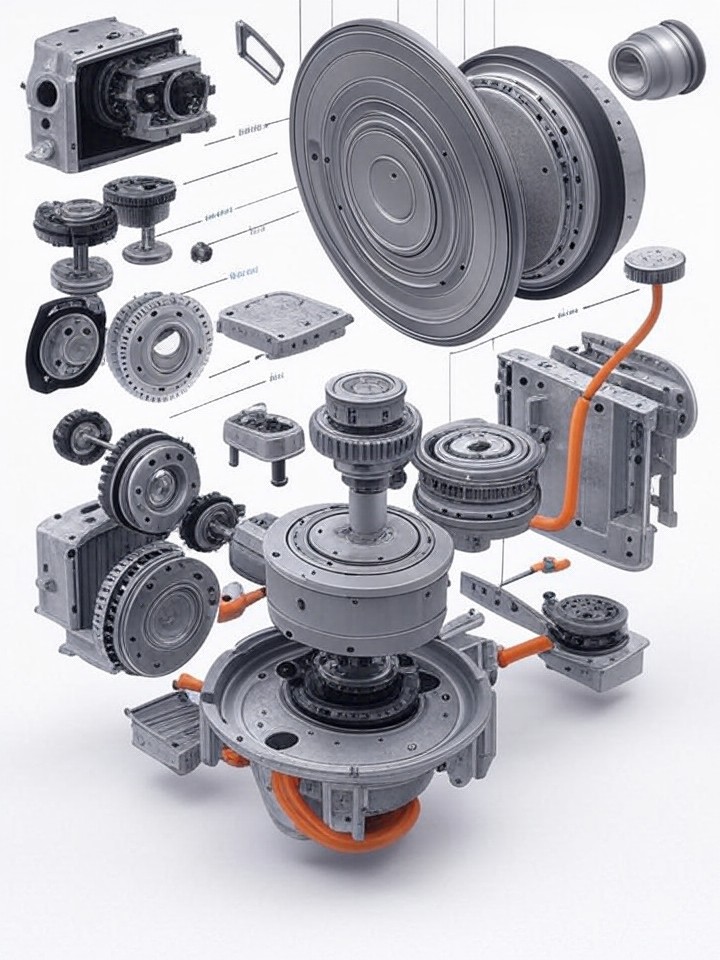
The Science of Drive Unit and Electric Motor Failure in Portland
Driving a Tesla Model S in Portland, Oregon, means navigating a unique blend of urban congestion and wet weather with 62°F average temperatures and frequent rain. The Drive Unit, which houses the electric motor and gearbox, endures constant strain from stop-and-go traffic on highways like I-5. This stress can lead to internal wear, especially on the motor’s rotor and stator.
Moisture from Portland’s damp climate can also infiltrate electrical connections, causing corrosion and eventual power delivery issues. Over time, this accelerates Drive Unit failure, often requiring expensive replacements. Early detection is key to avoiding these problems.
Common Symptoms of Failure
If your Tesla Model S is experiencing Drive Unit or electric motor failure, you’ll likely notice distinct warning signs. Here’s what to watch for:
- Unusual EV motor noise: A grinding or whining sound coming from under the vehicle, especially during acceleration.
- Power loss: Sudden drops in acceleration or sluggish response when pressing the pedal.
- Vibration: Excessive shaking felt through the steering wheel or floor, indicating motor imbalance.
- Error messages: Dashboard alerts related to “powertrain malfunction” or “reduced power mode.”
These symptoms often worsen in Portland’s rainy conditions, so don’t ignore them. Acting quickly can prevent total Drive Unit replacement costs.
Diagnostic Steps: DIY vs Professional
Diagnosing Drive Unit failure in a Tesla Model S starts with checking for EV motor noise or performance issues, something you can do at home. Listen for odd sounds and note any power loss during drives around Portland’s Pearl District. However, DIY diagnostics are limited without specialized tools.
Professional diagnosis, using Tesla-specific diagnostic software, can pinpoint issues like inverter faults or motor winding failures. At $160–$200 per hour in Portland, expert help ensures accuracy over guesswork. We recommend a professional inspection to avoid misdiagnosis and costly mistakes.
OEM vs Aftermarket Parts for Tesla Model S
When repairing a Tesla Model S Drive Unit or electric motor, choosing between OEM (Original Equipment Manufacturer) and aftermarket parts is critical. OEM parts, sourced directly from Tesla, guarantee compatibility and maintain vehicle warranty, but they often cost 20–30% more. For instance, an OEM Drive Unit can run $5,000–$7,000.
Aftermarket parts may be cheaper, but they risk poor fitment and can void warranties. In Portland, where electric vehicle repairs are in high demand, we advise sticking with OEM for reliability. Safety is paramount—don’t compromise with untested components.
For more on safety risks, refer to official guidelines at NHTSA.gov.
Future Prevention Tips
Preventing Drive Unit and electric motor failure in your Tesla Model S starts with regular maintenance, especially in Portland’s wet climate. Schedule annual inspections to check for corrosion on electrical connections and fluid leaks in the Drive Unit. This can catch issues before they escalate.
Avoid aggressive driving on steep inclines like those near Mount Tabor, as it strains the electric motor. Also, keep your vehicle’s software updated via Tesla’s support page to optimize power management. Finally, park in covered areas during rain to minimize moisture exposure.