The Science of Wiring Harness Damage Repair in Las Vegas
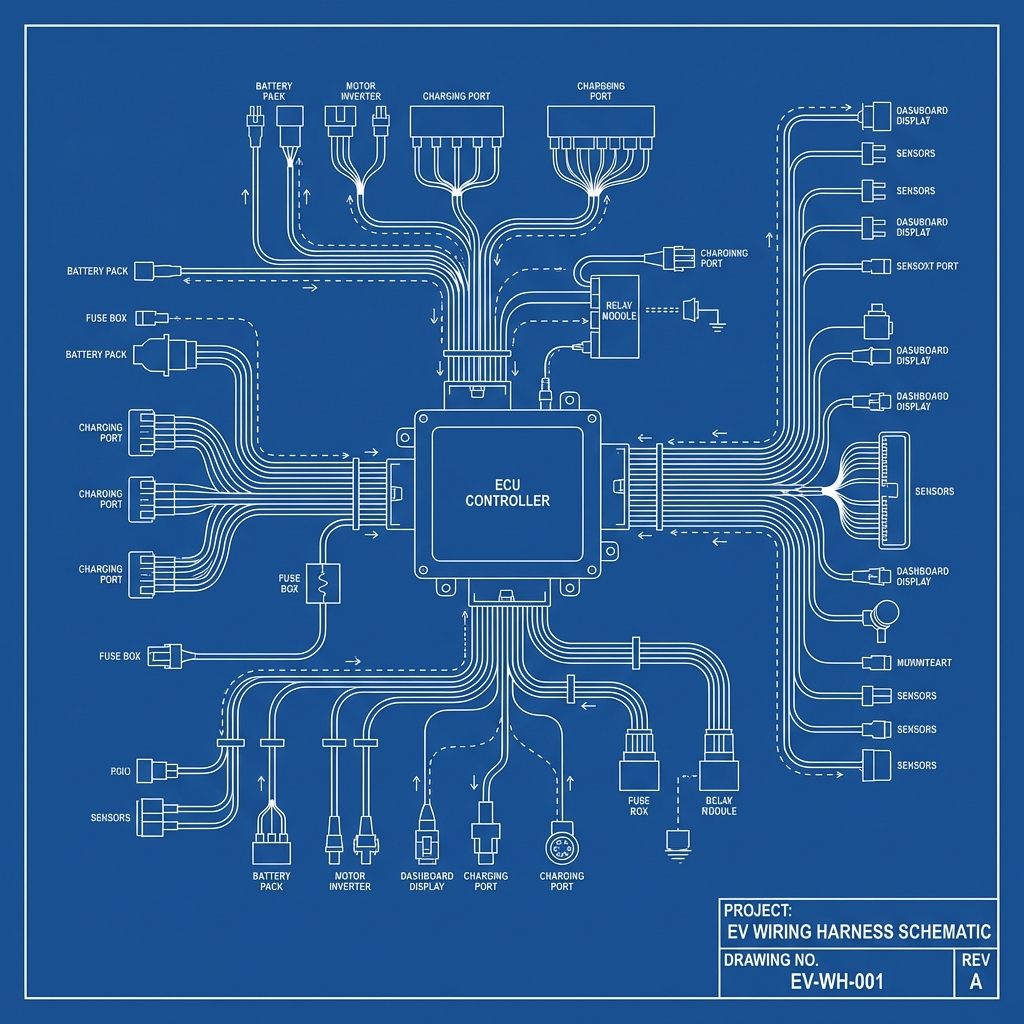
Wiring harnesses in your Tesla Model 3 are the lifelines of its electrical system, connecting vital components like the onboard charger and dc-dc converter. These harnesses carry high-voltage power from the battery to systems that keep your car running. Damage—whether from rodent chewing or Las Vegas’s extreme 104°F heat—can disrupt these connections, risking total failure.
In a desert climate with 210 sunny days a year, harness insulation can degrade faster, especially in neighborhoods like Summerlin where parked cars bake under direct sun. EV harness repair isn’t just a fix; it’s a necessity to avoid being stranded on I-15. Our team understands these local challenges and prioritizes durable solutions.
The onboard charger, which converts AC to DC for battery charging, relies on intact wiring. A single frayed wire can cause onboard charger failure, costing thousands. We use Tesla-specific tools to ensure repairs withstand local conditions.
Common Symptoms of Failure
Recognizing wiring harness damage early can save you from major repair bills. Here are key symptoms to watch for in your Tesla Model 3:
- Charging Issues: Slow or failed charging, often tied to onboard charger failure from damaged wires.
- Dashboard Errors: Warning messages like “Unable to Charge” or “12V Battery Low” on your touchscreen.
- Unusual Sounds: Clicking or buzzing near the frunk, indicating electrical shorts in the harness.
- Power Loss: Accessories powered by the dc-dc converter, like headlights, dim or fail unexpectedly.
These signs often worsen in Las Vegas’s desert heat, accelerating wear. Don’t ignore them—schedule a diagnostic in Henderson or nearby today.
Diagnostic Steps: DIY vs Professional
Diagnosing wiring harness damage in a Tesla Model 3 isn’t simple. A DIY approach might involve checking for visible chew marks or using a basic multimeter, but you risk missing hidden faults in high-voltage lines. Tesla’s complex systems demand specialized tools.
Professional diagnostics, like ours in Las Vegas, use factory-grade scanners to read Battery Management System (BMS) codes. We pinpoint issues affecting the dc-dc converter or 12v battery support, saving you from guesswork.
DIY can also be dangerous—high-voltage systems pose a shock risk. The National Highway Traffic Safety Administration (NHTSA) warns against untrained handling of EV components. Trust experts to avoid injury and ensure accurate EV harness repair.
OEM vs Aftermarket Parts for Tesla Model 3
When repairing wiring harnesses, choosing between OEM (Original Equipment Manufacturer) and aftermarket parts is critical. OEM parts, sourced directly from Tesla, guarantee compatibility with your Model 3’s unique systems like the onboard charger. They’re pricier but reliable.
Aftermarket options might save upfront costs but often lack the durability needed for Las Vegas’s extreme weather. Poor-quality harnesses can fail under heat stress, risking another dc-dc converter breakdown. We recommend OEM for long-term value.
Tesla’s official support page (Tesla Support) emphasizes using certified parts for safety. Our Las Vegas shop prioritizes these standards, ensuring repairs last.
Future Prevention Tips
Preventing wiring harness damage in your Tesla Model 3 starts with proactive care. Park in shaded areas or garages, especially in Summerlin’s scorching lots, to reduce heat exposure on harness insulation. This simple step slows wear and tear.
Rodent damage is a major concern in Las Vegas’s desert environment. Use rodent repellents like peppermint oil or ultrasonic devices near your parking spot to deter pests. Check for chew marks during routine maintenance.
Finally, schedule annual electrical inspections to catch early signs of harness issues before they impact the 12v battery or onboard charger. Our team offers tailored prevention plans for local drivers, keeping your EV safe on Nevada roads.