The Science of High Voltage Battery Replacement in Los Angeles
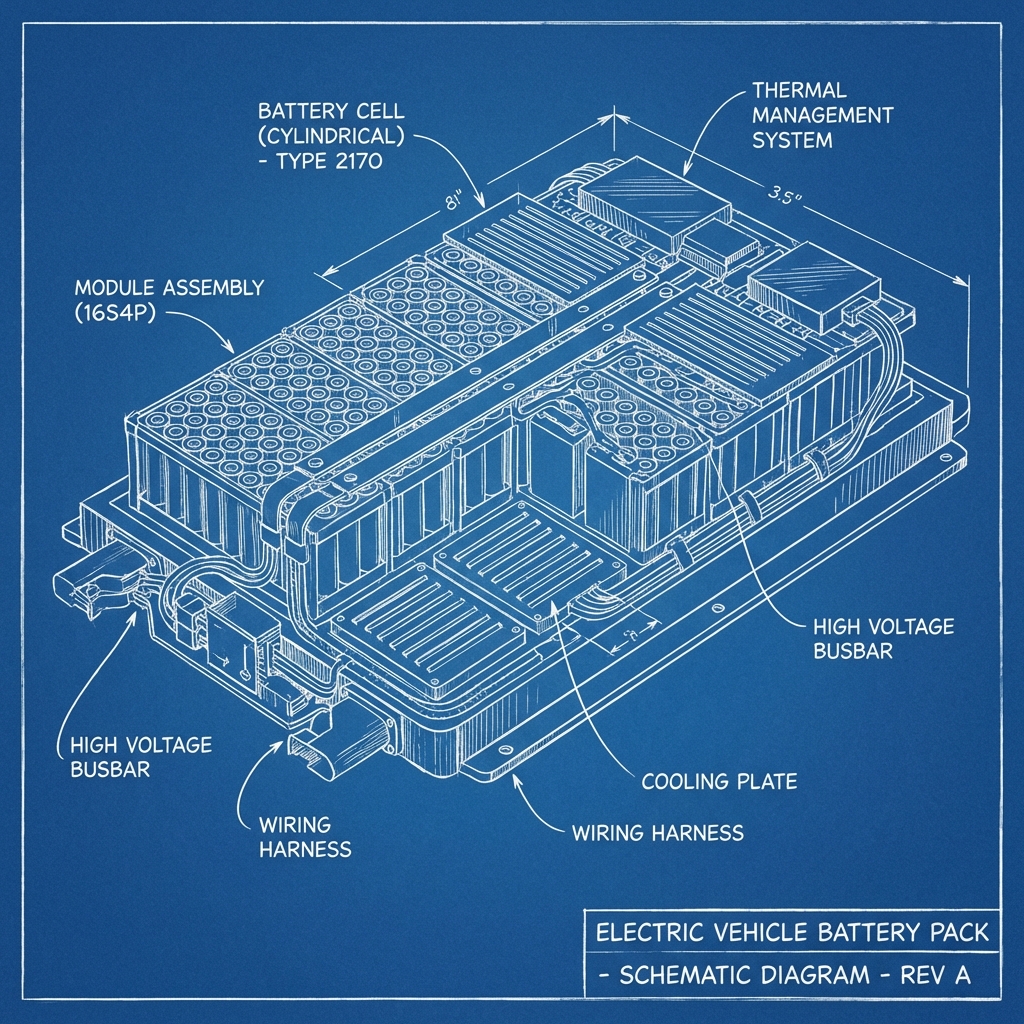
The high voltage battery pack in a Tesla Model 3 is the heart of its electric powertrain, delivering energy to the motors with precision. In Los Angeles’s hot climate, with temperatures often reaching 90°F, thermal stress can degrade lithium-ion cells faster. This accelerates capacity loss, reducing your driving range.
Battery replacement isn’t just swapping parts—it’s a complex process involving the Battery Management System (BMS) recalibration. Without proper handling, you risk uneven cell balancing, leading to premature failure. Our technicians in LA are trained to handle these intricacies.
Local driving conditions, like stop-and-go traffic on the 101 Freeway, further strain the battery with frequent regenerative braking cycles. This constant charge-discharge loop wears down components. We’ve seen countless Model 3s from Santa Monica with accelerated wear due to this.
Common Symptoms of Failure
Recognizing a failing high voltage battery early can save you thousands in EV battery replacement cost. Symptoms are often subtle at first but escalate quickly. Here’s what to watch for:
- Reduced Range: Your Model 3 no longer achieves the EPA-rated range, even on a full charge.
- Warning Messages: Dashboard alerts like “Power Reduced” or “Service Battery” appear.
- Unusual Sounds: A faint humming or clicking from the battery pack during charging.
- Charging Issues: Superchargers fail to deliver full power, or charging stops unexpectedly.
These signs often point to cell degradation or BMS faults. Ignoring them risks complete power loss. Schedule a diagnostic if you notice any of these in your Tesla.
Diagnostic Steps: DIY vs Professional
DIY diagnostics for a Tesla Model 3 battery are limited due to the proprietary software and high voltage risks. You can check for basic error codes using a third-party OBD-II scanner, but interpreting them without Tesla Toolbox is challenging. Plus, mishandling high voltage systems can be fatal.
Professional diagnostics, on the other hand, use factory-grade tools to assess the battery’s state of health (SoH). In Los Angeles, our team can pinpoint issues like cell imbalance or thermal runaway risks. This ensures accurate repairs without guesswork.
We strongly advise against DIY battery work due to safety hazards. The National Highway Traffic Safety Administration (NHTSA) warns of electrocution risks with EV systems. Leave it to certified pros.
OEM vs Aftermarket Parts for Tesla Model 3
When replacing a high voltage battery pack, choosing between OEM (Original Equipment Manufacturer) and aftermarket parts is critical. OEM batteries from Tesla guarantee compatibility with your Model 3’s BMS and thermal systems. They often come with warranties up to 8 years or 120,000 miles.
Aftermarket options may be cheaper, sometimes saving $2,000 or more on EV battery replacement cost. However, they risk firmware mismatches or reduced lifespan. We’ve seen aftermarket packs fail within 2 years in LA’s harsh conditions.
For reliability, we recommend OEM Tesla batteries, especially for drivers in high-traffic areas like West Hollywood. Check Tesla’s official support (Tesla Support) for warranty details. Our team can source and install the right pack for you.
Future Prevention Tips
Preventing high voltage battery failure starts with smart charging habits. Avoid charging to 100% daily—keep it between 20-80% to reduce cell stress. This is especially important in LA’s heat, which amplifies degradation.
Park in shaded areas or garages to minimize thermal exposure. With 284 sunny days a year, direct sunlight can overheat your Model 3’s battery. Small steps like this extend lifespan significantly.
Finally, schedule annual battery health checks with a certified technician. We monitor metrics like capacity fade and coolant levels to catch issues early. Protect your investment with proactive care tailored to Los Angeles conditions.