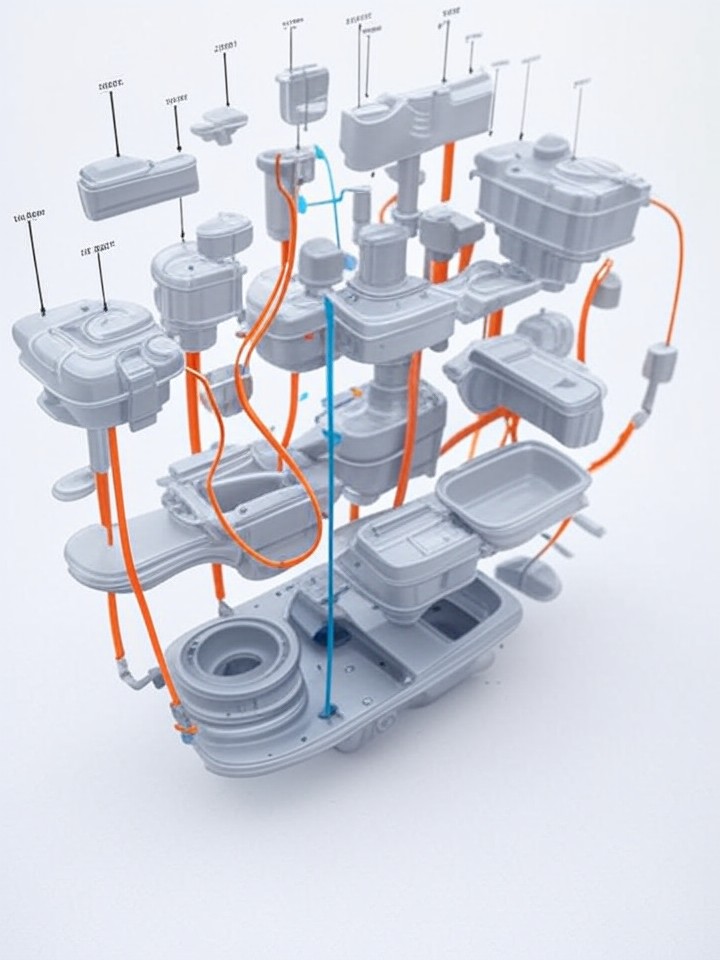
The Science of Coolant Pump Leaks in San Francisco
Coolant pump leaks in a Tesla Model 3 are more than just a minor inconvenience—they threaten the heart of your electric vehicle. The coolant pump is critical for regulating the temperature of the battery pack, ensuring it doesn’t overheat during operation. In San Francisco, where stop-and-go traffic on Highway 101 and steep climbs in areas like Nob Hill are common, the system works overtime.
When the pump fails, coolant leaks can lead to insufficient cooling, causing thermal runaway risks. This is especially concerning given the mild but humid 65°F weather, which can mask early overheating signs. Addressing EV coolant leaks promptly is essential to avoid major damage.
Common Symptoms of Failure
Recognizing the signs of a coolant pump leak in your Tesla Model 3 can save you thousands in repairs. Here are the key symptoms to watch for in San Francisco’s unique driving conditions:
- A high-pitched whining noise from the underbody, often indicating a failing coolant pump motor.
- Dashboard error messages related to the thermal management system or battery temperature alerts.
- Visible coolant puddles under your vehicle, especially after parking on steep inclines like those in Pacific Heights.
- Reduced driving range due to the battery throttling power to prevent overheating.
Don’t ignore these warning signs. A small leak can quickly escalate into a major battery coolant pump failure if left unchecked.
Diagnostic Steps: DIY vs Professional
Diagnosing a coolant pump leak in a Tesla Model 3 requires precision and expertise. While DIY enthusiasts might check for visible coolant puddles or listen for unusual noises, the complexity of the thermal management system often demands professional tools.
At our San Francisco shop, we use Tesla-specific diagnostic software to monitor coolant flow and battery temperature in real-time. This is far more accurate than guessing based on visual inspections alone.
We also perform pressure tests on the cooling loop to pinpoint micro-leaks. For safety, we recommend against DIY repairs due to the high-voltage risks near the battery pack—leave it to certified technicians. For more on EV safety, visit NHTSA’s EV safety page.
OEM vs Aftermarket Parts for Tesla Model 3
When repairing a coolant pump leak, choosing between OEM (Original Equipment Manufacturer) and aftermarket parts is critical. OEM parts from Tesla ensure compatibility with the Model 3’s unique thermal management system, but they come at a premium.
Aftermarket options may be cheaper, but they often lack the durability needed for San Francisco’s demanding driving conditions. We recommend sticking with Tesla-approved components to avoid future failures and maintain warranty coverage.
Our team sources directly from Tesla service centers to guarantee quality. Check Tesla’s official support at Tesla Support for more on approved parts.
Future Prevention Tips
Preventing coolant pump leaks in your Tesla Model 3 starts with regular maintenance. Schedule annual inspections of the cooling system, especially if you frequently navigate San Francisco’s steep hills or heavy traffic zones.
Monitor your dashboard for any thermal alerts and avoid ignoring small issues. Keeping the coolant levels topped off with Tesla-approved fluid can also extend the pump’s lifespan.
Finally, park in shaded areas during San Francisco’s 259 sunny days to reduce heat stress on the battery. Proactive care is the best defense against costly EV coolant leak repairs.