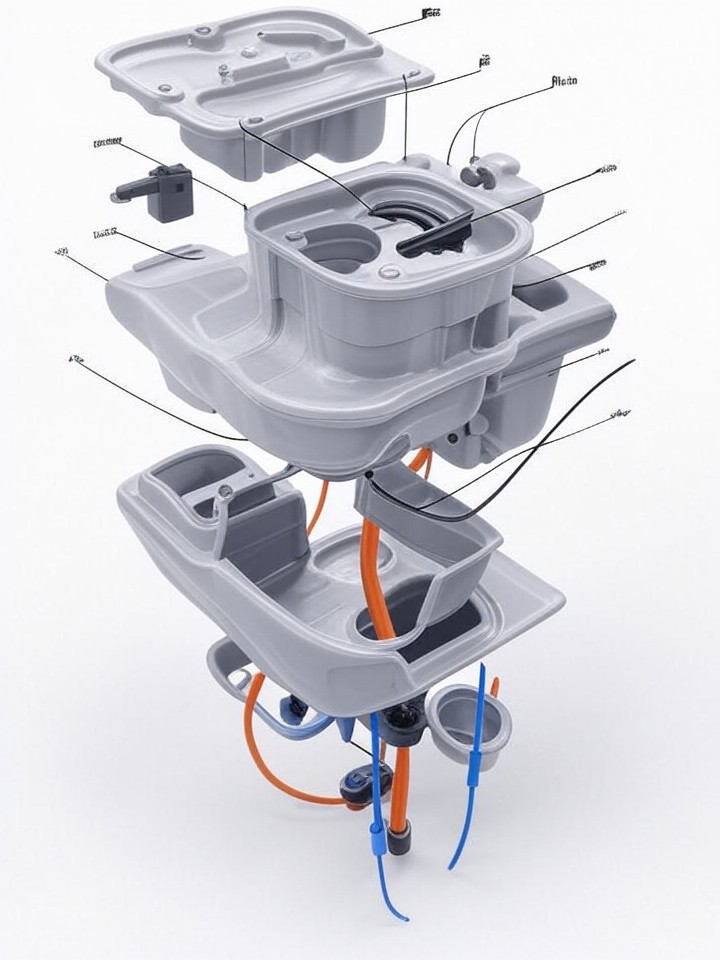
The Science of Coolant Pump Leaks in Los Angeles
Coolant pump leaks in a Tesla Model 3 are more than just a minor inconvenience—they’re a direct threat to the vehicle’s battery thermal management system. This system keeps the high-voltage battery pack at an optimal temperature, especially critical in Los Angeles where 90°F days and 284 sunny days per year amplify heat stress. Without proper cooling, your battery can overheat, leading to reduced range or complete failure.
The battery coolant pump circulates specialized fluid through the system to dissipate heat. A leak, often caused by worn seals or cracked components, disrupts this balance, risking thousands in repairs. Los Angeles’s stop-and-go traffic, especially on highways like the 405, exacerbates wear on these parts.
Neighborhoods like Santa Monica and West Hollywood see a high density of Tesla owners, meaning local heat and driving patterns uniquely contribute to EV coolant leak issues. Ignoring early signs can spiral into major damage. Our team understands these local challenges and prioritizes urgent fixes.
Common Symptoms of Failure
Recognizing the signs of a coolant pump leak in your Tesla Model 3 can save you from expensive repairs. Here are key symptoms to watch for with a focus on battery coolant pump issues:
- A high-pitched whining noise near the battery pack, indicating pump strain or failure.
- Warning messages on your dashboard, such as “Thermal System Error” or “Power Reduced.”
- Visible coolant puddles under the vehicle, often a greenish or pinkish fluid.
- Unexpected range reduction, as the battery struggles to maintain temperature.
- Overheating alerts or unusual fan activity, signaling cooling system distress.
These symptoms often worsen in Los Angeles’s hot climate, making early detection of EV coolant leaks critical. Don’t dismiss small signs—they can escalate fast.
Diagnostic Steps: DIY vs Professional
Diagnosing a coolant pump leak in a Tesla Model 3 starts with checking for visible coolant stains under the car. DIY enthusiasts in Los Angeles can look near the battery pack area, but Tesla’s complex systems often hide deeper issues. Without specialized tools, you might miss critical faults.
Professional diagnostics use Tesla-specific diagnostic software to read error codes from the thermal management system. This pinpoints whether the battery coolant pump or hoses are failing. In a city like Los Angeles, with high repair demand, pros can save you time and prevent misdiagnosis.
Attempting DIY pressure tests or repairs risks further damage to the high-voltage system, which can cost thousands to fix. We recommend professional service for accurate, safe results. Our team in Los Angeles has the expertise to handle these intricate systems.
OEM vs Aftermarket Parts for Tesla Model 3
When repairing a coolant pump leak, choosing between OEM (Original Equipment Manufacturer) and aftermarket parts is crucial for your Tesla Model 3. OEM parts, sourced directly from Tesla, ensure compatibility with the vehicle’s thermal management system. They often come with warranties but at a higher cost.
Aftermarket parts might be cheaper, but they can lack the precision fit for Tesla’s unique battery coolant pump design. This risks recurring leaks or system inefficiency, especially under Los Angeles’s harsh driving conditions. We’ve seen aftermarket failures lead to repeat repairs.
Our Los Angeles shop prioritizes OEM Tesla parts for lasting reliability. While the upfront cost is higher, it prevents future breakdowns costing far more. Safety and performance outweigh short-term savings every time.
Future Prevention Tips
Preventing coolant pump leaks in your Tesla Model 3 starts with regular system inspections. Schedule annual checks of the cooling system, especially if you drive through Los Angeles’s intense traffic on roads like the 101. Early detection of wear saves money long-term.
Monitor your dashboard for any thermal system warnings or power reduction alerts. These can signal early coolant issues before a full leak develops. Quick action prevents major EV coolant leak damages.
Avoid prolonged exposure to extreme heat by parking in shaded areas or garages, a practical tip for Los Angeles’s 90°F days. Heat accelerates wear on coolant pump seals. Our team can also apply protective coatings during service to extend component life.
Finally, stick to Tesla-recommended maintenance schedules for coolant flushes and replacements. Using the correct fluid prevents corrosion in the system. For more safety information, check resources on NHTSA.gov to stay informed on EV risks.