The Science of Inverter Assembly Failure in Las Vegas
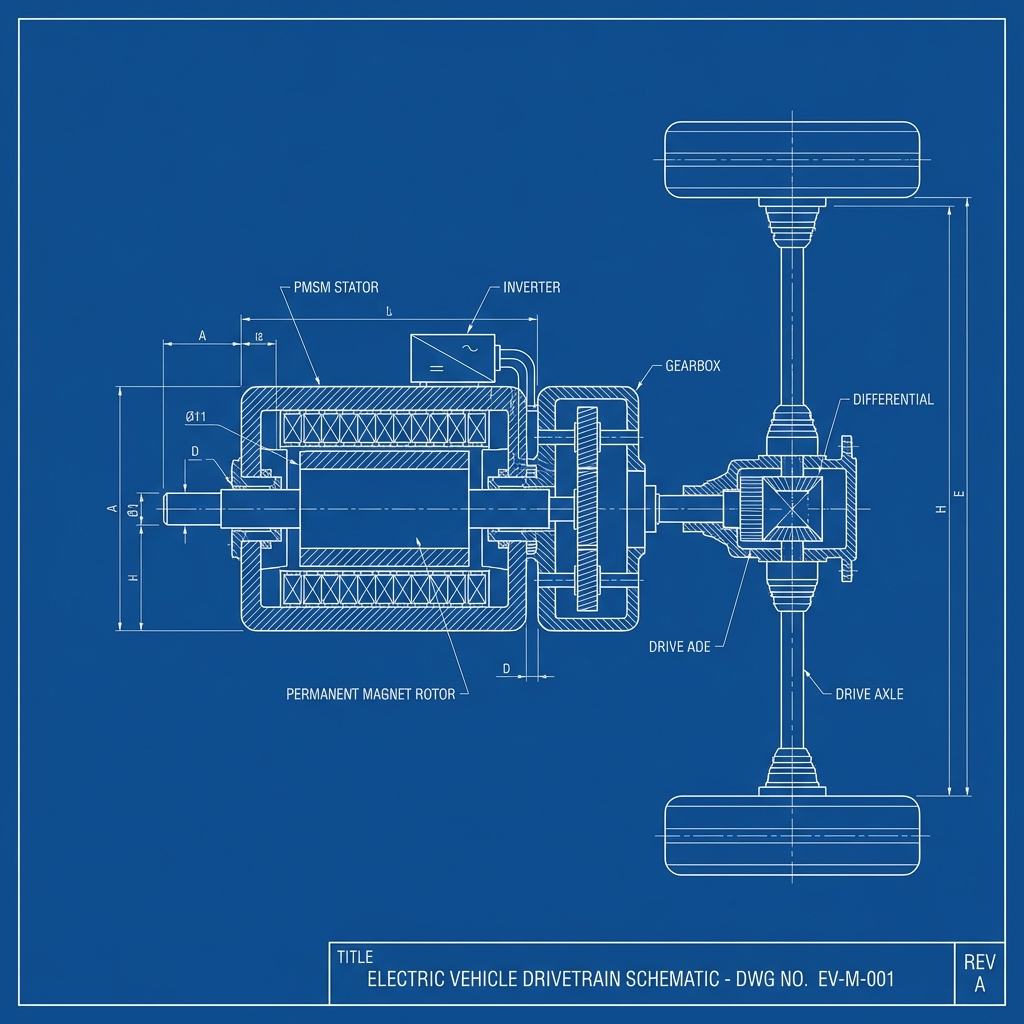
The inverter assembly in your Rivian R1T is the heart of its electric powertrain, converting DC power from the high-voltage battery into AC power to drive the motors. In Las Vegas’s extreme heat, often hitting 104°F for over 210 sunny days annually, this component faces intense thermal stress. Overheating can degrade internal circuits, leading to an EV bricked situation where your vehicle won’t move.
This failure isn’t just a minor glitch; it’s a critical breakdown that halts propulsion. The inverter also interacts with the onboard charger and dc-dc converter, which powers the 12v battery for lights and electronics. When strained by local conditions like stop-and-go traffic on the I-15 corridor, the risk of failure spikes.
Common Symptoms of Failure
Recognizing inverter assembly failure early can save you thousands in repairs. Here are key signs to watch for in your Rivian R1T, especially under Las Vegas driving stress.
- Sudden Power Loss: Your R1T may refuse to accelerate or enter 'limp mode,' drastically reducing speed.
- Dashboard Error Codes: Look for warnings like 'Traction System Fault' on the driver display.
- Unusual Noises: A high-pitched whine or clicking from under the vehicle could signal inverter distress.
- Battery Drain Issues: If the 12v battery, managed by the dc-dc converter, fails to hold charge, the inverter may be at fault.
These symptoms often worsen in extreme heat, common in neighborhoods like Summerlin. Don’t ignore them—prompt traction inverter repair is essential.
Diagnostic Steps: DIY vs Professional
Diagnosing inverter assembly failure in a Rivian R1T isn’t a simple task. A DIY approach might involve checking for error codes with an OBD-II scanner, but most consumer tools can’t access Rivian’s proprietary systems. You’re likely to miss critical high-voltage issues.
Professional diagnostics, however, use manufacturer-grade tools to read specific traction inverter faults. In Las Vegas, where heat exacerbates failures, our technicians also perform thermal imaging to detect overheating components. The cost of professional service—$140–$180 per hour—is worth avoiding a misdiagnosis.
OEM vs Aftermarket Parts for Rivian R1T
When repairing a Rivian R1T inverter assembly, choosing between OEM (Original Equipment Manufacturer) and aftermarket parts is critical. OEM parts, sourced directly from Rivian, guarantee compatibility with your vehicle’s dual-motor architecture but come at a premium—often $3,000 or more. They’re the safest bet for long-term reliability.
Aftermarket options may be cheaper, but they often lack the exact specifications needed for Rivian’s high-voltage systems. This can lead to recurring failures, costing more in the long run. For Las Vegas drivers facing extreme conditions, we recommend OEM for peace of mind.
Safety is also a concern with subpar parts. According to the NHTSA, using non-certified components in EVs can increase risks of electrical faults. Stick with trusted solutions for traction inverter repair.
Future Prevention Tips
Preventing inverter assembly failure starts with regular maintenance. Schedule bi-annual inspections to check cooling systems that protect the inverter from Las Vegas’s brutal heat. Early detection of coolant leaks or fan issues can save you from a $5,000 repair.
Avoid prolonged exposure to extreme temperatures by parking in shaded areas or garages, especially in Henderson’s sun-soaked suburbs. Also, monitor your Rivian R1T’s software updates via the Rivian Support page—updates often include powertrain optimizations.
Finally, drive conservatively on steep inclines like those near Red Rock Canyon. Excessive strain on the motors overworks the inverter, accelerating wear. With these proactive steps, you can minimize the risk of an EV bricked by inverter failure.